
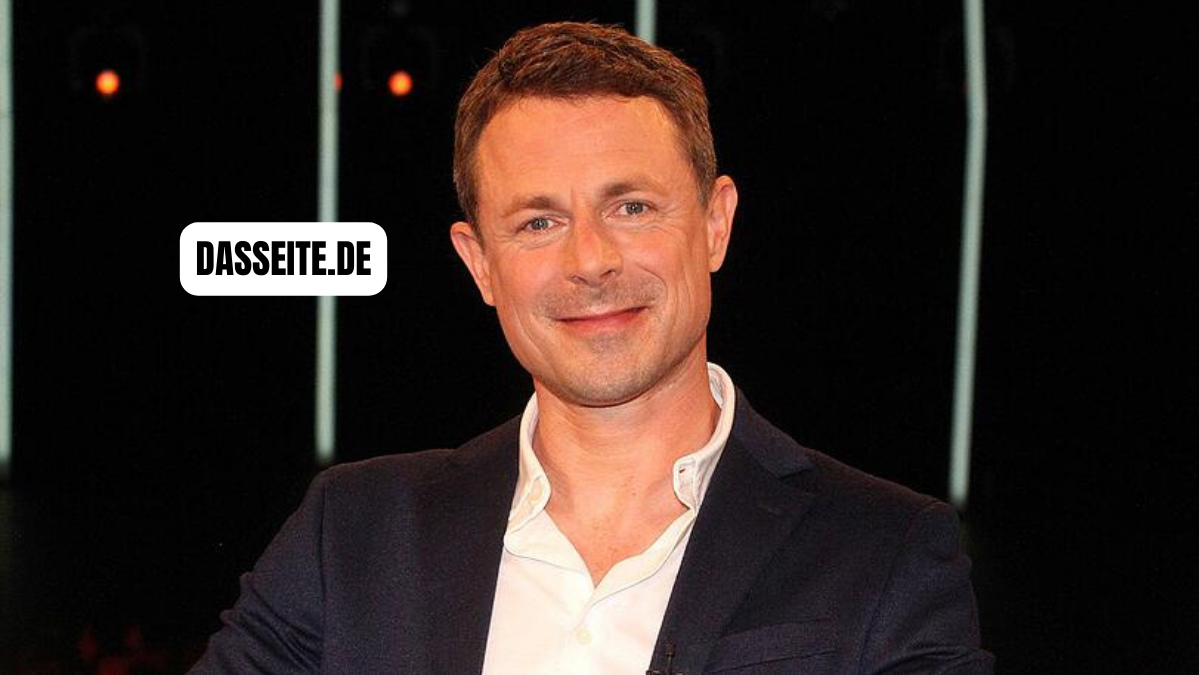

The keyword alexander bommes krebserkrankung has generated significant online attention in recent years. Whenever a well-known public figure steps back from television, speculation quickly follows. In the case of Alexander Bommes, many viewers began searching for answers when he temporarily withdrew from his presenting duties.
As an experienced journalist and television host, Bommes has built a reputation for professionalism and transparency. However, like many public personalities, he has also chosen to keep parts of his private life confidential. This article explores what is actually known, what remains speculation, and how such rumours affect both celebrities and the public conversation.
Who Is Alexander Bommes and Why Is He So Popular?
Alexander Bommes is one of Germany’s most recognised television presenters. He is widely known for his work with ARD, particularly as a host of sports and quiz programmes. Over the years, he has presented formats such as Gefragt – Gejagt and regularly appeared on Sportschau. His calm presence and sharp interviewing skills have earned him a loyal audience.
Before entering the media world, Bommes was also active as a professional handball player. This athletic background contributes to his credibility as a sports journalist. Audiences appreciate his analytical perspective, which combines journalistic depth with firsthand experience. That blend of knowledge and personality has made him a household name across Germany.
Because of his popularity, any change in his professional schedule naturally attracts attention. When he temporarily stepped back from television, fans quickly began searching for explanations. That is where the surge in searches for alexander bommes krebserkrankung began.
Where Did the Alexander Bommes Krebserkrankung Rumours Come From?
The speculation surrounding alexander bommes krebserkrankung appears to have originated during a period when Bommes reduced his public appearances. In media culture today, even a short absence can spark intense online discussion. Without official confirmation, assumptions often fill the gap.
It is important to highlight that no confirmed public statement from Bommes has declared a cancer diagnosis. While he has addressed health-related breaks in general terms, detailed medical information has not been publicly shared. In situations like this, the lack of clarity can unfortunately lead to misinformation spreading across forums and social media.
Search engines amplify these trends. Once a keyword like alexander bommes krebserkrankung gains traction, more users encounter it, which further fuels curiosity. This does not necessarily reflect verified facts, but rather public interest and speculation.
Public Figures and Health Privacy
One key aspect often overlooked in discussions about alexander bommes krebserkrankung is the issue of privacy. Public figures may live in the spotlight, but they are still entitled to personal boundaries. Health matters are deeply personal, and not every detail must be shared with the public.
From a media ethics perspective, there is a delicate balance between transparency and respect. Journalists frequently face the challenge of reporting responsibly without crossing personal boundaries. When rumours circulate without confirmation, they can cause unnecessary distress for the individual involved.
For audiences, it is also worth considering the human dimension. Behind every headline is a person with family, friends, and emotions. Responsible consumption of media includes recognising when speculation outweighs verified information.
The Impact of Health Speculation on Careers
When keywords such as alexander bommes krebserkrankung trend online, the consequences can extend beyond simple curiosity. Speculation about serious illnesses can influence public perception and even professional opportunities.
In television, continuity and reliability are important. Viewers form emotional connections with presenters. Sudden changes may trigger concern, but unchecked rumours can also unfairly damage reputations. If audiences assume long-term illness without confirmation, it may shape narratives that do not align with reality.
At the same time, open conversations about health challenges can reduce stigma when handled appropriately. Many public figures who have openly discussed cancer diagnoses have contributed positively to awareness campaigns. However, that choice must come from the individual, not from public pressure.
Media Responsibility in the Digital Age
The rise of digital platforms has transformed how information spreads. A single speculative post can reach thousands within minutes. The keyword alexander bommes krebserkrankung illustrates how quickly online narratives can form without official sources.
Professional journalism relies on verification. Established broadcasters like ARD follow strict editorial guidelines before reporting on sensitive topics. In contrast, unofficial blogs and social media accounts may prioritise engagement over accuracy. This difference matters significantly when discussing potential health issues.
For readers, developing media literacy is essential. Checking credible sources, understanding context, and avoiding the spread of unverified claims contribute to a healthier information environment. Especially when dealing with serious conditions such as cancer, accuracy and empathy are crucial.
What Has Alexander Bommes Actually Said?
Alexander Bommes has publicly acknowledged periods of health-related absence. However, he has not confirmed the specific claims associated with alexander bommes krebserkrankung. His communication style tends to be measured and professional, focusing primarily on his work rather than personal medical details.
When public figures address health matters, they often choose their words carefully. This approach allows them to maintain dignity while reassuring audiences. Bommes’ return to television appearances has also helped calm some of the speculation surrounding his situation.
Ultimately, without an explicit statement confirming a cancer diagnosis, it is important to avoid presenting assumptions as facts. Respecting verified information protects both the individual and the integrity of public discourse.
Why the Topic Continues to Trend
The ongoing interest in alexander bommes krebserkrankung reflects broader cultural patterns. People are naturally concerned about individuals they see regularly on television. Familiar faces become part of daily routines, creating a sense of connection.
Search behaviour also plays a role. When one user looks up a topic, algorithms may suggest it to others. This cycle reinforces attention around certain keywords, regardless of whether new information exists. As a result, the topic may trend repeatedly even without updated developments.
In addition, cancer remains a subject that evokes strong emotional responses. Because it is a widespread and serious illness, any association with a well-known figure generates heightened public interest.
Final Thoughts on Alexander Bommes Krebserkrankung
The discussion surrounding alexander bommes krebserkrankung demonstrates how quickly speculation can spread in the digital era. While public curiosity is understandable, confirmed information should always take priority over assumptions.
Alexander Bommes remains a respected television presenter with a strong professional record. Unless he chooses to share detailed personal information, it is appropriate to rely only on verified statements. Respect for privacy, responsible journalism, and thoughtful media consumption all play essential roles in maintaining balance.
In the end, the most constructive approach is empathy. Whether or not health challenges exist, public figures deserve the same dignity and understanding as anyone else. By focusing on verified facts rather than rumours, audiences contribute to a more responsible and respectful media culture.
Mehr Lesen
Wann ist Claudia Halmer geboren
Melanie Olmstead